

Every year on December 1st, the world comes together to observe World AIDS Day, a day dedicated to raising awareness about HIV/AIDS, remembering those we’ve lost, supporting people living with HIV, and reaffirming our global commitment to prevention, education, and care.
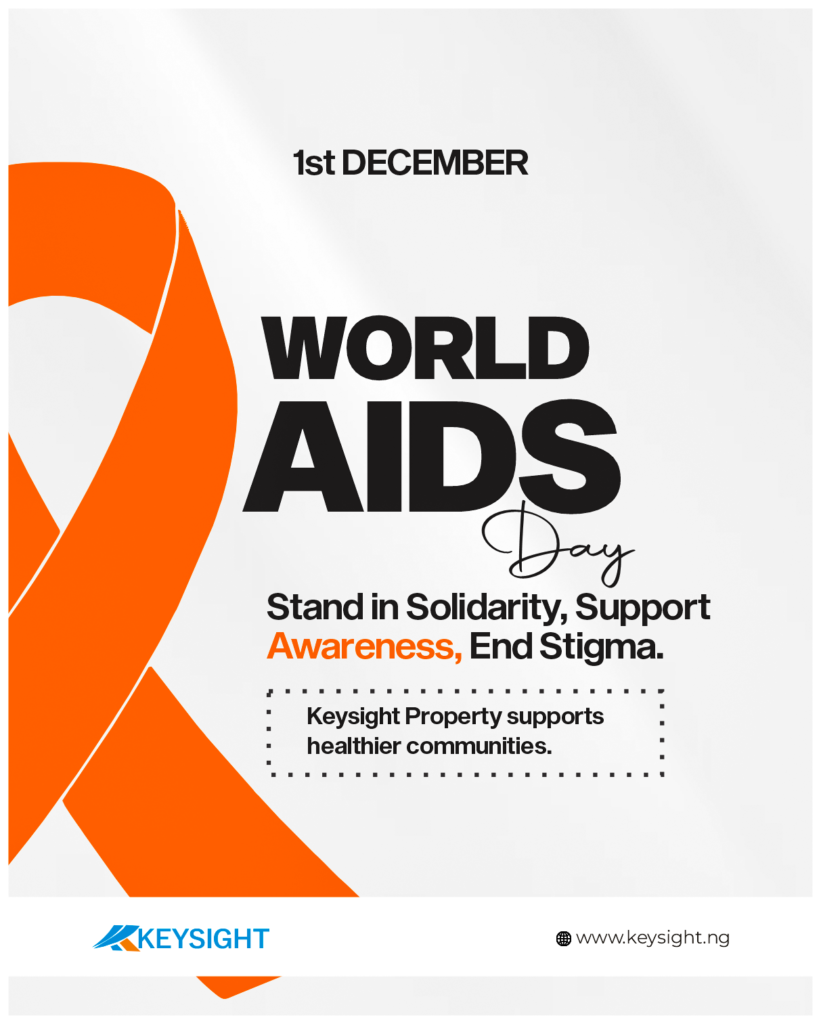
While HIV/AIDS is a health issue, its impact extends into families, communities, workplaces, and even the spaces we live in. As a society, creating environments where everyone feels safe, supported, and informed is essential.
The Theme: Global Solidarity, Shared Responsibility
The fight against HIV/AIDS requires collective effort. From healthcare workers and educators to organizations, communities, and individuals, everyone plays a role in breaking stigma and promoting access to the right information and care.
Why World AIDS Day Still Matters
Despite progress in treatment and awareness, many people still face discrimination, fear, and misinformation about HIV/AIDS. Recognizing this day helps to:
- Promote accurate education about prevention and treatment
- Encourage regular testing and early detection
- Support people living with HIV to live healthy, fulfilling lives
- Break harmful stigma and misconceptions
- Strengthen global and local commitment to ending AIDS
Creating Supportive Communities Through Real Estate
Inclusive communities are healthier communities. In the real estate sector, we have a unique opportunity to contribute by:
- Designing people-centered environments that promote a sense of dignity, safety, and togetherness.
- Supporting health-related awareness across estates and residential communities.
- Sharing accurate information that encourages testing, openness, and compassion.
- Promoting community engagement programs that empower residents to support one another.
A home is more than a building, it is a space where people should feel safe, accepted, and supported regardless of their health status.
Standing Together for a Healthier Future
On this World AIDS Day, let us remember that the fight against HIV/AIDS goes beyond medical intervention-it requires empathy, education, and the willingness to build communities where stigma has no place.
By promoting awareness and fostering inclusive neighborhoods, we are contributing to a world where everyone has the opportunity to thrive.
Together, we can make a difference-one informed community at a time.